The Ultimate Checklist for Villa Renovation in Dubai

Renovating a villa in Dubai is a major investment, one that can completely reshape how your home looks, feels, and functions. From upgrading interiors to reworking layouts, every decision matters. Without a clear plan, costs can rise quickly and timelines can stretch longer than expected.

A structured checklist keeps everything on track, helping you move step by step with clarity and control.

Define Your Renovation Goals

Start with a clear vision. Are you initiating villa renovation for personal use, resale, or rental income? Your purpose will influence design choices, materials, and budget. List your priorities. This could include upgrading kitchens, expanding living areas, improving storage, or modernising bathrooms. Having a defined scope prevents unnecessary changes later.

Set a Realistic Budget

Budgeting is one of the most critical steps in any villa renovation. Break down your budget into key categories:

  • Design and consultancy fees
  • Construction and labour
  • Materials and finishes
  • Furniture and décor
  • Permits and approvals

Always include a contingency fund, around 10–15%, to handle unexpected expenses.

Dubai Regulations and Approvals

Renovation work in Dubai requires approvals from relevant authorities and, in many cases, your community developer. Depending on your location, approvals may be needed from:

  • Dubai Municipality
  • Trakhees or DDA (for certain zones)
  • Community management (such as Emaar or Nakheel)

Skipping this step can lead to fines or project delays, so it’s important to get all permissions in place before starting work.

Assess the Existing Structure

Before starting design work, evaluate the current condition of your villa. Check for:

  • Structural integrity
  • Electrical systems
  • Plumbing lines
  • HVAC systems

Identifying issues early helps prevent costly repairs later in the process.

Plan the Layout Carefully

Layout planning plays a huge role in how your villa functions. Consider:

  • Open-plan living areas
  • Better natural light flow
  • Functional kitchen layouts
  • Storage solutions

Avoid making structural changes without proper guidance, as this can impact both cost and approvals.

Choose Materials That Suit the Climate

Dubai’s climate requires careful material selection. Go for:

  • Heat-resistant finishes
  • Durable flooring
  • Moisture-resistant materials for kitchens and bathrooms

High-quality materials may cost more upfront, but reduce maintenance over time.

Focus on Lighting Design

Lighting has a strong impact on how your home feels. Plan a mix of:

  • Ambient lighting for general use
  • Task lighting for kitchens and work areas
  • Accent lighting to highlight design features

Natural light should also be maximised wherever possible.

Upgrade Key Areas

Some areas deliver higher value when renovated:

  • Kitchen: Modern layouts, quality cabinetry, and efficient appliances
  • Bathrooms: Contemporary fittings, clean finishes, and smart storage
  • Living spaces: Open, inviting areas with cohesive design
  • Outdoor areas: Landscaping, seating, and shaded spaces

Focusing on these spaces can significantly improve both comfort and property value.

Integrate Smart Home Features

Modern villas often include smart technology. During your villa renovation in Dubai, consider adding:

  • Automated lighting systems
  • Smart thermostats
  • Security and access control
  • Integrated entertainment systems

These features improve convenience and align with current living standards.

Plan the Timeline

A clear timeline keeps the project organised and reduces delays. Account for:

  • Design phase
  • Approval process
  • Construction period
  • Final inspections

Delays can happen, but proper scheduling helps keep things under control.

Monitor the Project Closely

Regular site visits and updates are essential. Track:

  • Work progress
  • Material quality
  • Budget usage

Staying involved ensures that the final result matches your expectations.

Final Inspection and Handover

Before completing the project, conduct a detailed inspection. Check:

  • Finishing quality
  • Functionality of systems
  • Any pending fixes

Make sure all work meets agreed standards before final payment.

Renovating a villa in Dubai is a big project, but with careful planning and the right team, it doesn’t have to be stressful. Following a clear checklist will keep the process organised and on track. A well-executed renovation will leave you with a comfortable, functional, and beautiful home that’s perfectly suited to your lifestyle.

If you need help with your villa renovation in Dubai, get in touch with us at USBC Interiors. As premier builders and specialists, we’re dedicated to refurbishing, extending, and modernising villas across the city. Our expertise can turn your existing property into the beautiful, functional space you’ve always envisioned for your perfect home.

Why Interior Fit Out is Key to Business Success

Walk into any office and you’ll immediately get a sense of its energy. Some spaces feel focused and dynamic, while others just feel disconnected and dull. The difference often comes down to the interior fit out. Apart from the looks, it shapes how a business runs, how its employees feel, and how clients see the brand.

A well-designed interior fit out can boost productivity, shape company culture, and even drive revenue. For businesses in competitive markets like Dubai, an effective workspace is essential for staying ahead.

First Impressions That Build Trust

Your office is often the first physical interaction clients have with your business. Before a single word is exchanged, the space already communicates your standards.

A clean, thoughtfully designed reception area, cohesive branding, and a professional layout create confidence. Clients feel assured they are dealing with a company that values quality and attention to detail. On the other hand, a poorly designed office can raise doubts, even if your services are excellent.

Productivity Starts with the Right Environment

Employees spend a significant part of their day at work, and the environment around them directly affects their performance.

A smart interior fit out considers lighting, acoustics, space planning, and ergonomics. Natural light, comfortable seating, and efficient layouts help employees stay focused and comfortable. When movement within the office feels smooth and clutter-free, tasks get done faster and with fewer interruptions. Even small changes, like better workstation spacing or improved lighting, can make a noticeable difference in daily output.

Reflecting Your Brand Identity

Every business has a story, and your office should reflect it clearly. The colours, materials, and overall design should align with your brand values.

A creative agency might lean toward bold colours and open spaces, while a corporate firm may prefer a more structured and refined setup. This consistency strengthens your identity, both for employees and visitors. When your space aligns with your brand, it creates a sense of purpose and clarity across the organisation.

Supporting Employee Well-Being

A well-designed office contributes to employee satisfaction in a big way. Comfortable workstations, breakout areas, and quiet zones give employees the flexibility to work in ways that suit them best.

Good ventilation, proper lighting, and thoughtful layouts also support physical and mental well-being. When employees feel comfortable in their environment, they are more engaged, motivated, and likely to stay with the company long-term.

Encouraging Collaboration and Communication

The way an office is designed can either encourage teamwork or create barriers. Open-plan areas, meeting rooms, and collaborative zones make it easier for teams to connect and share ideas. At the same time, designated quiet spaces allow for focused work when needed.

A balanced layout supports both interaction and concentration, helping teams perform at their best without distractions.

Efficient Use of Space

A fit out executed by an experienced interior fit out contractor in Dubai ensures every square foot is used effectively. Smart storage solutions, multi-functional furniture, and strategic layouts help maximise available space. This reduces clutter and allows the office to feel more open and organised, even in smaller areas. Efficient space planning also leaves room for future growth, which can save significant costs later.

Adapting to Modern Work Styles

Workplaces have evolved rapidly, with flexible schedules and hybrid models becoming common. Interior fit outs now need to support these changes.

Hot-desking areas, shared workspaces, and tech-enabled meeting rooms allow teams to work seamlessly, whether they are in the office or connecting remotely. A modern fit out supports this flexibility without disrupting workflow.

Long-Term Business Value

Investing in a quality interior fit out offers long-term returns. A functional, attractive office reduces maintenance issues, supports employee retention, and strengthens your brand image. It also positions your business as forward-thinking and professional, which can make a difference when attracting clients, partners, and top talent.

Simply put, interior fit out plays a central role in shaping how a business operates and grows. It affects how people work, how clients perceive your brand, and how efficiently your space is used. A well-designed office creates an environment where ideas flow, teams collaborate, and productivity feels natural. For any business aiming to succeed in a competitive market, the workspace itself becomes a powerful asset, one that supports progress every single day.

If you require the services of a recognised and highly reputed Dubai interior fit out company, get in touch with us at USBC Interiors at +971 4 552 5858.

Cost of Office Fit Out in Dubai: What You Need to Know

Setting up an office in Dubai is exciting for any business, but the fit out process often raises one big question: how much will it cost?

The answer depends on several factors, from the size of your space to the level of finish you’re aiming for. A clear understanding of these elements helps you plan your budget wisely and avoid surprises down the line.

What Is an Office Fit Out?

An office fitout refers to turning an empty shell or basic interior into a fully functional workspace. This includes everything from flooring and ceilings to furniture, lighting, and partitions. In Dubai, offices are usually handed over in either shell-and-core condition or as a basic fitted unit, which directly impacts the cost of work required.

Average Cost of Office Fit Out in Dubai

Office fit out costs in Dubai are typically calculated per square foot. While prices can vary depending on the design, materials, and which of the many office fit out companies in Dubai you choose, here’s a general breakdown:

  • Basic fit out: AED 100 – AED 200 per sq. ft.
  • Mid-range fit out: AED 200 – AED 350 per sq. ft.
  • High-end fit out: AED 350 – AED 700+ per sq. ft.

A basic fit out covers essential elements like standard flooring, simple partitions, and basic lighting. Mid-range projects include better materials, customised layouts, and improved finishes. High-end offices feature premium materials, bespoke furniture, and advanced technology integration.

Key Factors That Affect Cost

1. Size of the Office

Larger spaces may seem expensive at first glance, but the cost per square foot can sometimes decrease as scale increases. Still, total investment rises with size, so careful planning is important.

2. Design Complexity

A simple open-plan office costs far less than a space with multiple cabins, meeting rooms, and custom-built areas. Intricate ceiling designs, feature walls, and unique layouts add to the overall expense.

3. Quality of Materials

Material selection plays a major role in determining cost. Standard tiles and laminates are budget-friendly, while marble, hardwood, and designer finishes push costs higher. The same applies to furniture and fixtures.

4. MEP Works (Mechanical, Electrical, Plumbing)

MEP services are essential for a functional office. Air conditioning, electrical wiring, lighting systems, and plumbing all fall under this category. If the base unit requires extensive upgrades, costs can increase significantly.

5. Furniture and Fixtures

Loose furniture, workstations, ergonomic chairs, and storage units are often priced separately from the core fit out. Custom-made furniture adds a premium, but allows better space utilisation.

6. Technology Integration

Modern offices in Dubai often include smart systems such as automated lighting, access control, and integrated meeting room technology. These features improve efficiency but add to the budget.

Hidden Costs to Consider

Many businesses focus on construction costs, but overlook additional expenses that can impact the final budget.

  • Authority approvals: Permissions from Dubai authorities or free zone management
  • Design consultancy fees: Interior designers and project managers
  • Permits and inspections: Required at various stages of the project
  • Contingency budget: Usually 10–15% of total cost for unexpected changes

Factoring in these elements early helps prevent budget overruns.

Shell and Core vs Fitted Offices

If you’re starting with a shell-and-core space, expect higher costs since everything, from flooring to HVAC, needs to be installed. A fitted office, on the other hand, already includes basic elements, which can reduce initial expenses. However, modifications to suit your brand and workflow may still require investment.

Timeline and Its Impact on Cost

Time plays a direct role in pricing. Fast-track projects often require additional labour and extended working hours, which increases costs. A well-planned timeline allows smoother execution and better cost control.

Is a High-End Fit Out Worth It?

A premium office space can leave a strong impression on clients and create a comfortable environment for employees. It can also support productivity and brand positioning. However, the right choice depends on your business goals. Some companies benefit from a high-end design, while others perform better with a practical and efficient setup.

Contact USBC Interiors for Office Fitout In Dubai

Since 2018, USBC Interiors has built a remarkable standing as one of the premium office fitout companies in Dubai. Our team creates bespoke, high-quality workspaces that align seamlessly with the unique requirements of businesses across diverse industries. By adhering to international standards, we consistently exceed expectations, delivering innovative and tailored designs. From careful planning to the final execution, we offer end-to-end services to turn offices into efficient, inspiring, and highly functional environments.

7 Modern Interior Design Styles for UAE Homes

Design in the UAE carries a distinct personality. Homes here balance comfort, luxury, climate, and cultural detail in a way that feels intentional and refined. From apartments in Dubai to villas in Abu Dhabi, interiors often reflect both global trends and regional character.

If you’re planning to refresh your space or design from scratch, these seven modern interior styles offer strong direction and plenty of inspiration.

1. Contemporary Minimalism

Clean lines, open layouts, and a calm colour palette define this style. Contemporary minimalism focuses on simplicity without making the space feel empty. Think soft neutrals, concealed storage, and carefully chosen furniture pieces.

As an interior designer in Dubai, we know that this style works beautifully in UAE homes with large windows and natural light. Floor-to-ceiling glass, polished surfaces, and subtle textures create a bright, airy atmosphere. A single statement piece, like a sculptural sofa or an oversized artwork, often anchors the room.

2. Modern Arabic

This style merges traditional Middle Eastern elements with modern design principles. It celebrates heritage while keeping the space fresh and current.

Expect geometric patterns, intricate latticework, and rich materials like marble and wood. Neutral bases are often paired with accents in gold, deep blue, or emerald green. Majlis-inspired seating areas, reimagined in a modern way, are a common feature in UAE homes embracing this look.

3. Scandinavian Design

Scandinavian design brings warmth into modern interiors through soft textures and natural materials. It’s known for its functionality and cosy feel.

In the UAE, this style adapts well to apartment living. Light wood finishes, white walls, and muted tones help keep interiors cool and relaxed. Add plush rugs, linen fabrics, and soft lighting to create a welcoming environment without visual clutter.

4. Industrial Chic

Industrial interiors draw inspiration from warehouses and urban lofts. Raw materials and unfinished surfaces give this style its edge.

Exposed brick walls, metal fixtures, and concrete textures are key elements. In UAE homes, this style is often softened with warm lighting and comfortable furniture to balance the raw aesthetic. Open-plan layouts and high ceilings work particularly well with this design approach.

5. Luxury Contemporary

Luxury contemporary interiors reflect the high-end lifestyle often associated with UAE living. This style combines modern design with premium materials and bold statement features.

Marble flooring, velvet upholstery, metallic accents, and dramatic lighting fixtures are commonly used. Neutral palettes are layered with rich textures to add depth. Large mirrors and custom furniture pieces contribute to a polished, upscale look that feels cohesive and refined.

6. Coastal Designs

Inspired by seaside living, coastal modern interiors feel light, relaxed, and refreshing. This style is especially popular in waterfront properties across the UAE.

Soft blues, sandy beiges, and crisp whites define the colour palette. Natural materials like rattan, linen, and light wood create an easy-going vibe. Large windows, sheer curtains, and minimal décor keep the space feeling open and breezy, perfectly suited for coastal surroundings.

7. Smart Tech-Integrated Design

Modern UAE homes often incorporate advanced technology into their interiors. This style focuses on convenience, efficiency, and a seamless living experience.

Hidden lighting systems, automated blinds, voice-controlled appliances, and integrated entertainment setups are common features. The design remains clean and uncluttered, with technology blending into the background rather than dominating the space. This approach supports a modern lifestyle while keeping interiors visually appealing.

Bringing It All Together

The right interior style depends on your lifestyle, space, and personal taste. Many UAE homeowners mix elements from different styles to create a unique look. For example, a minimalist base can be paired with Arabic-inspired accents, or a luxury contemporary setting can include subtle Scandinavian touches for added warmth.

Climate also plays a role in design decisions. Light colours, breathable fabrics, and smart layouts help keep interiors comfortable throughout the year. Storage solutions, lighting design, and material choices all contribute to a home that feels both practical and visually pleasing.

USBC Interiors - Leading Interior Design Company in Dubai

As one of the top interior design companies in Dubai, we offer creative and high-end solutions for a wide range of clients. From homes and offices to retail and hospitality spaces, we manage every aspect of your project across the UAE. Our team is known for delivering outstanding designs with impeccable finishes, all while meeting international quality standards. If you’re looking for a team that delivers excellence from start to finish, choose USBC Interiors.

Sustainable Restaurant Fit-Out: A Comprehensive Guide for F&B Owners in UAE

The food and beverage industry in the UAE is flourishing. In 2025, the market was valued at USD 25 billion. It is anticipated to reach USD 70 billion by 2030. This represents an 18.84% annual growth rate, which is fueled by tourists and a more discriminating dining audience.

However, this is what a lot of restaurateurs are learning. The location and cuisine are no longer the only factors in success. The actual space is also important. The way it is constructed, designed, and used has emerged as a true differentiator.

When a restaurant feels thoughtful, patrons notice. When sustainability is integrated into the experience rather than being added as an afterthought, they take note.

Having worked on commercial fit-out projects all around the United Arab Emirates for nearly about 8 Years, We have seen firsthand how the hospitality industry has changed. The topic of discussion has changed. “How quickly can we open?” was the previous question. “How can we build something that lasts and reflects our values?” is the current question.

The practical definition of sustainable restaurant fit-out is examined in this handbook. More significantly, it demonstrates why it is just as vital for your brand as it is for your financial line.


Why Do Restaurants Consume So Much Energy?

Restaurants require a lot of energy. Actually, compared to other commercial buildings, high-volume quick-service restaurants can consume up to ten times more energy per square foot.

The explanations are simple. Strong machinery is used in commercial kitchens for long periods of time. The refrigeration process runs continuously. HVAC systems put in a lot of effort to control air quality, humidity, and heat.

These difficulties are significantly more severe in the UAE. Strong cooling systems are necessary given our environment. Because of this, a restaurant’s business layout must take into consideration two factors: the requirement to maintain eating spaces comfortable throughout the year and the extreme heat from cooks.

What happens to all this energy, then? Restaurants typically consume the most electricity for cooling, lighting, and refrigeration. The precise breakdown, however, differs depending on the sort of restaurant, its cuisine, and its hours of operation.

The good news? There is room for development in every category. Savings can be locked in for years with careful fit-out choices made early in the design phase.

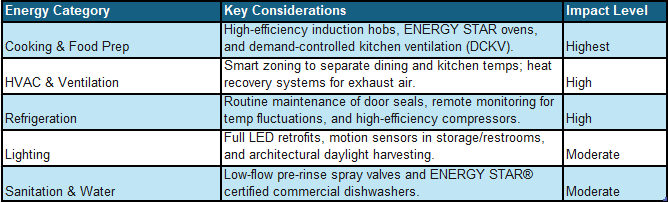
Key Categories of Energy Consumption in Restaurants

Commercial Kitchen Fit-Out: HVAC, Equipment, and Efficiency

The kitchen is where a sustainable fit-out project is won or lost, because choices made during this phase determine operating costs for years ahead.

HVAC and Ventilation

Ventilation ranks among the highest energy consumers in any restaurant. Well-designed exhaust systems, combined with demand-controlled ventilation, can significantly cut energy waste when integrated effectively with the broader HVAC strategy. Equally important is smart zoning — kitchens and dining rooms have vastly different climate needs, and separating them into independent zones prevents the common mistake of over-cooling dining spaces to offset heat from the kitchen.

Equipment Selection

Energy-certified commercial kitchen equipment can deliver real utility savings without compromising performance. However, layout and daily habits are just as influential as the equipment itself. Minimising idle time — simply switching off unused appliances during quiet periods — compounds into meaningful savings over time. Induction cooktops are worth highlighting specifically: they transfer roughly 90% of their energy directly into the cookware, which reduces ambient heat, eases HVAC load, and improves cooking precision.

Restaurant Lighting: LEDs Offer the Quickest Returns

LED lighting stands out as one of the most immediately impactful upgrades a restaurant can make. Compared to incandescent bulbs, LEDs consume up to 90% less energy and last roughly 25 times longer. Energy Star-rated LEDs cut energy use by at least 75% versus conventional alternatives.

In restaurants, lighting serves dual roles: creating ambience in dining areas and ensuring safety in kitchens. A high Colour Rendering Index (80–90+) helps kitchen staff detect subtle changes in food colour. Beyond fixture selection, good lighting design means maximising natural light and tailoring illumination to each zone. Useful additions include daylight sensors, occupancy-triggered lighting in low-traffic areas, and dimmable systems for atmosphere management — all of which cut energy use without diminishing the guest experience.

Materials That Communicate Values

The materials used in a restaurant fit-out signal the establishment’s values before any food is served. Key considerations include environmental impact, durability, maintenance, and indoor air quality.

Low-VOC Finishes

Volatile Organic Compounds from paints, adhesives, and coatings degrade indoor air quality and can linger long after construction. In spaces where guests and staff spend extended time, low- or zero-VOC products are essential — and today they perform comparably to conventional options.

Reclaimed and Recycled Materials

Reclaimed timber, recycled metals, and repurposed fixtures add character while reducing environmental footprint. London’s Silo restaurant illustrates how far this can go: its bar and tabletops are made from recycled plastic packaging, table bases from sustainable wood, and pendant lighting from mycelium.

Biophilic Design

Bringing nature indoors — through living walls, plants, natural stone, or responsibly sourced timber — creates calming, distinctive environments. Biophilic design improves air quality, reduces noise, and has been linked to improved wellbeing for both guests and staff.

How USBC Apply These Principles in Practice

The same principles embraced by Dubai’s most sustainable restaurants — energy-efficient kitchens, waste-conscious layouts, and responsibly sourced materials — underpin USBC Interior’s approach across all project types.

With more than 100+ fit-out projects completed across the UAE, USBC brings these strategies to offices, healthcare facilities, and educational spaces alike. The Grazer project at Downtown a 1000 square meter dining destination used natural materials and biophilic design to divert 30% of construction waste from landfill and achieve a 19% reduction in energy use against baseline designs.

The core formula remains consistent: efficient systems, responsible materials, and waste-conscious construction whether the client is a Michelin-starred fine dining venue or a community food hall.

How To Plan A Sustainable Restaurant Fit-out in 2026

Building a sustainable restaurant in Dubai is a smart move that balances environmental responsibility with long-term profitability. While it might seem daunting, the most effective green strategies often come down to smart planning rather than just higher spending.

Here is a streamlined 6-step guide to planning your eco-friendly fit-out:

Adopt an “Efficiency First” Strategy

Before signing off on any blueprints, conduct a mental energy audit. Map out your expected power consumption and pinpoint where you can trim the fat. Addressing equipment, lighting, and HVAC needs during the design phase will lower your utility bills for years to come.

Focus on High-ROI Upgrades

Invest in changes that offer the fastest payback:

  • Lighting: Switch entirely to LEDs.

  • Ventilation: Use high-efficiency kitchen hoods to reduce the load on your AC.

  • Insulation: Use premium thermal barriers to keep the Dubai heat out and the cool air in.

 Select Materials Based on Lifecycle

Look beyond the initial price tag. Choose durable finishes that won’t need replacing in two years. Additionally, using low-VOC (Volatile Organic Compound) products ensures a healthier indoor environment for both your staff and your guests.

Integrate Waste Management Early

Efficiency isn’t just about electricity; it’s about physical waste. Designate specific zones for recycling, composting, and smart storage during the initial build. It is significantly more expensive to “tack on” these spaces after the restaurant is already open.

Let Your Space Speak

Sustainability is a powerful marketing tool. Since nearly half of all diners look for eco-friendly cues on menus and websites, use your physical design—like reclaimed wood or visible herb gardens—to subtly tell your brand’s green story.

Collaborate with Specialists

Don’t go it alone. Partner with contractors and designers who specialize in sustainable hospitality. Their expertise in the local market can help you navigate regulations and avoid expensive trial-and-error.

The Future of Sustainable F&B Design in the UAE

The UAE’s path toward Net Zero by 2050 and Dubai’s Zero Waste to Landfill goal by 2030 are more than just milestones; they are catalysts for new regulations that will redefine commercial and restaurant spaces. By integrating sustainability into your fit-out today, you ensure your business remains ahead of the curve and compliant with the standards of the future.

Beyond just meeting legal requirements, the economic benefits are undeniable. Eco-conscious designs significantly lower operational overheads, resonate with an increasingly mindful consumer base, and foster a healthier, more productive atmosphere for employees.

The validity of sustainable fit-outs is no longer up for debate—the data regarding utility savings, market trends, and upcoming legislation is conclusive. The real decision for operators is a matter of timing: Will you embed these values into your project from day one, or will you face the premium costs of retrofitting later?

As the UAE’s dining scene expands and competition grows more fierce, diners have endless options. In this landscape, the restaurants that truly distinguish themselves will be those built with purpose engineered for peak efficiency and aligned with the environmental principles that matter most to modern guests.

How to Choose the Best Interior Fit-Out Company in Dubai: A Complete Guide

Interior fit-out projects in Dubai demand coordination and a clear understanding of local regulations. From commercial offices and retail spaces to hospitality and residential interiors, the quality of fit-out execution directly affects functionality, timelines, and long-term value. Selecting the right interior fit-out company is, therefore, a critical decision that requires careful evaluation rather than quick comparison based on price alone.

This guide outlines the key factors to consider when choosing an interior fit out company in Dubai to help you make an informed and confident decision.

Understand Your Project Scope and Objectives

Before approaching fit-out companies, define the scope of your project in detail. Clarify the type of space, size, intended use, budget range, and expected timeline. A well-defined brief allows fit-out contractors to assess feasibility and propose accurate solutions.

Dubai’s fit-out projects often involve coordination with landlords, developers, and authorities. Knowing your requirements early helps identify companies with experience handling similar project complexity and approval processes.

Verify Licensing and Regulatory Compliance

Dubai has strict regulatory requirements for interior fit-out works. Any company you consider should hold valid trade licenses and approvals from relevant authorities such as Dubai Municipality and free zone regulators when applicable.

Confirm that the company has experience securing permits and managing inspections. Proper compliance protects you from delays, penalties, and costly rework during the execution phase.

Review Relevant Industry Experience

Interior and fitout expertise varies across sectors. A company that excels in office fit-outs may not be the best choice for hospitality or retail projects. Review the contractor’s portfolio to confirm experience in your specific sector.

Look for completed projects of similar size and complexity. Industry-specific experience often translates into better space planning, material selection, and understanding of operational requirements.

Assess Design and Technical Capabilities

A strong interior fit-out company should offer integrated design and technical support. This includes space planning, material specifications, MEP coordination, and detailed shop drawings.

Evaluate the company’s ability to translate concepts into practical execution. Technical accuracy at the design stage reduces change orders and ensures smooth coordination between contractors, suppliers, and site teams.

Evaluate Project Management Approach

Effective project management plays a major role in fit-out success. Ask about the company’s project management structure, communication process, and reporting methods.

A reliable interior fit out contractor Dubai should provide a clear project schedule, defined milestones, and regular progress updates. Strong coordination among designers, engineers, and site teams helps maintain timelines and quality standards.

Review Quality Standards and Materials

Material quality directly affects durability, appearance, and maintenance requirements. Ask fit-out companies about their material sourcing practices and quality control procedures.

Reputable contractors work with approved suppliers and provide material submittals for client approval. Consistent quality standards reflect a company’s commitment to delivering long-lasting interiors that meet commercial and safety requirements.

Check Health and Safety Practices

Interior fit-out sites involve multiple trades working simultaneously. Strong health and safety practices protect workers, occupants, and assets.

Confirm that the company follows recognized safety standards, conducts regular site inspections, and maintains proper documentation. A solid safety record indicates professionalism and reduces project risk.

Examine Past Client Feedback and References

Client feedback offers valuable insight into a company’s reliability and service quality. Request references and speak directly with past clients if possible.

Ask about adherence to timelines, communication quality, issue resolution, and post-completion support. Consistent positive feedback suggests a dependable fit-out partner.

Transparency in Costing and Contracts

Clear and detailed cost proposals are essential when selecting an interior fit-out company. Review quotations carefully to ensure all scope items are included and clearly defined.

Transparent contracts outline responsibilities, payment terms, variation procedures, and warranty coverage. This clarity minimizes disputes and supports smoother project execution.

Post-Completion Support and Maintenance

A professional fit-out company provides support beyond project handover. This may include defect liability periods, maintenance guidance, and warranty coordination.

Post-completion support demonstrates accountability and ensures that any issues identified after handover are resolved efficiently.

Local Knowledge and Supply Network

Dubai’s fit-out environment relies heavily on local supplier relationships and authority coordination. Companies with established local networks often manage procurement and approvals more efficiently. Local knowledge supports smoother logistics, better material availability, and quicker response to site challenges.

Choose UCBC Interiors for Your Fit-Out Projects in Dubai

USBC Interiors is a top interior fitout company in Dubai, dedicated to creating bespoke, functional, and visually stunning spaces for commercial, retail, and residential clients. With a comprehensive range of services including interior fit-out, interior design, renovation, MEP works, and custom joinery, we bring your vision to life with precision and creativity.

Backed by a team of skilled architects, 3D visualizers, and professional carpenters, and supported by our state-of-the-art facility in Al Quoz, Dubai, we are committed to delivering exceptional results that exceed expectations.

Luxury Villa Renovation in Dubai: Essential Tips for a Seamless Upgrade

Dubai is famous for its high-end villas, iconic neighborhoods, and residential architecture that shows modern living and refined taste. But even the most luxurious and well-designed villas at times require upgrades to match functional needs, design preferences, and evolving lifestyles.

High-end residential upgrades often involve complex design decisions, premium materials, and coordination across multiple trades. When managed correctly, a villa renovation improves comfort, functionality, and long-term property value while maintaining architectural integrity.

The following tips outline how homeowners can approach luxury villa renovation in Dubai with clarity and confidence.

Define Clear Renovation Objectives

Begin by identifying the purpose of the renovation. Some homeowners focus on modernizing interiors, while others prioritize layout reconfiguration, energy efficiency, or outdoor living upgrades. Clear objectives help guide design decisions and budget allocation.

Luxury renovations often involve multiple zones such as living spaces, kitchens, bathrooms, landscaping, and service areas. Establishing priorities ensures resources are directed toward areas that deliver the highest practical and lifestyle value.

Work With Experienced Luxury Renovation Specialists

Villa renovation in Dubai at a premium level demands specialist expertise. Contractors with experience in luxury residential projects understand detailing standards, finish quality, and coordination requirements.

Review portfolios that reflect similar villa types and scales. A specialist renovation company like USBC Interiors brings detailed processes, skilled craftsmen, and reliable supplier networks that support consistent execution.

Ensure Regulatory Approvals and Compliance

Dubai requires formal approvals for renovation work, particularly when structural changes, MEP modifications, or external alterations are involved. Permissions may be required from Dubai Municipality, developers, or community management authorities.

An experienced renovation contractor manages drawings, submissions, and inspections efficiently. Early compliance planning prevents delays and avoids unnecessary site interruptions.

Invest in Thoughtful Space Planning

Effective space planning improves flow, privacy, and usability. Luxury villa renovations often involve opening living areas, enhancing natural light, or redefining private and service zones.

Engage design professionals who can align spatial planning with daily living patterns. Well-considered layouts support comfort while preserving the villa’s architectural character.

Select High-Quality Materials and Finishes

Material selection plays a central role in luxury renovations. Flooring, wall finishes, cabinetry, stonework, and fixtures should balance visual appeal with durability and ease of maintenance.

Dubai’s climate places specific demands on materials. Heat-resistant, moisture-tolerant, and low-maintenance finishes perform better over time and retain their appearance under local conditions.

Focus on Mechanical, Electrical, and Plumbing Systems

Behind-the-scenes systems are critical to renovation success. Upgrading electrical capacity, plumbing lines, air conditioning, and smart home infrastructure improves efficiency and comfort.

Luxury villas often incorporate advanced lighting controls, climate zoning, and integrated security systems. Proper coordination during renovation prevents future disruptions and supports long-term performance.

Plan Construction Phases Carefully

Luxury villa renovations benefit from structured phasing. Clear sequencing minimizes disruption, protects completed finishes, and maintains site safety.

If the villa is occupied during renovation, phased execution allows certain areas to remain functional. Detailed planning reduces inconvenience while maintaining project momentum.

Prioritize Craftsmanship and Detailing

High-end renovations are defined by precision. Joinery alignment, tile setting, paint finishes, and fixture installation require skilled workmanship and close supervision.

Regular quality inspections during construction ensure standards are met at each stage. Attention to detail separates premium outcomes from average results.

Manage Budget With Transparency

Luxury renovations involve significant investment. A detailed cost breakdown supports financial control and informed decision-making throughout the project.

Allow for contingency planning to address design refinements or unforeseen site conditions. Transparent communication between homeowner and contractor helps manage expectations and maintain trust.

Incorporate Outdoor Living Enhancements

Dubai villas often feature private gardens, terraces, and pool areas. Renovation projects frequently include outdoor kitchens, shaded seating, landscaping, and lighting upgrades.

Outdoor enhancements extend living space and support lifestyle use throughout much of the year. Coordinated design between interior and exterior areas creates visual continuity and functional balance.

Allow Time for Testing and Handover

Before project completion, thorough testing of systems and finishes is essential. Lighting controls, HVAC systems, plumbing fixtures, and smart features should be reviewed and adjusted.

A structured handover process includes documentation, warranties, and maintenance guidance. This step ensures the renovated villa performs as intended from day one.

Luxury villa renovation in Dubai requires a disciplined approach supported by experienced professionals, quality materials, and clear project planning. Each decision, from layout to finishing details, contributes to comfort, performance, and property value. With careful preparation and expert execution, homeowners can achieve refined, functional upgrades that support long-term living standards and align with Dubai’s expectations for premium residential spaces.

Transforming Commercial Spaces: Office Fit-Out Trends Boosting Productivity in UAE

UAE’s modern workplace continue to transform as companies place focus on brand representation, operational efficiency, and employee well-being. Office environments are not viewed as basic work zones anymore, but as strategic assets that impact retention, collaboration, and performance.

Commercial fit-out projects in the UAE are now being shaped by productivity-powered design principles. Office fit-out trends focus on developing balanced spaces that support comfort, interaction, and focus. From technology-integrated interiors to flexible layouts, design choices play a superior role in making productive workplaces.

The Role of Office Fit-Out Design in the UAE

UAE’s commercial spaces show global workplace standards and adapt to regional climate conditions and business culture. Businesses are now investing in office fitout solutions that align organizational goals with physical environments.

Productivity as a Design Priority

Productivity-steered design is more than aesthetics. It considers how materials, acoustics, lighting, and layout impact employee performance. A well-planned office supports various working styles, improves workflow, and reduces distractions. Key productivity factors are:

  • Access to quiet and collaborative zones
  • Ergonomic furniture
  • Acoustic and visual comfort
  • Efficient space planning

Flexible Layouts for Modern Work Styles

Flexibility has become the biggest element in office fit-out planning and adaptable workspaces, especially in hybrid work models that have gained traction in the UAE. Modern offices are designed to accommodate increasing operational needs and changing team sizes. Multi-purpose, movable partitions, and modular furniture enable companies to adjust layouts without making huge structural changes. Common flexible layout features include:

  • Informal breakout areas
  • Convertible meeting rooms
  • Shared collaboration zones
  • Reconfigurable workstations

Productive offices balance areas dedicated to focused tasks with open collaboration. Fit-out designs involve enclosed spaces and open-plan zones to suit various work requirements.

Employee Well-Being & Ergonomics

The comfort of employees has a direct influence on job satisfaction and productivity. Ergonomic designs have become the central trend in UAE office fit outs. This also includes furniture designed for efficiency and comfort. Properly positioned workstations, adjustable desks, and ergonomic seating help to reduce physical strain during long working hours. Such elements support overall comfort, movement, and posture. Key ergonomic considerations are:

  • Monitor positioning to reduce eye strain
  • Sit-stand desks
  • Adjustable lumbar support and chairs
  • Wellness-oriented design elements

Well-being-focused offices have features that promote mental and physical health. Designated relaxation areas, calming color schemes, and natural light access add up to a healthy work environment.

Smart Technology Integration in Office Fit-Outs

Technology also has an important role in improving connectivity and efficiency within commercial spaces. This requires intelligent office systems. Smart systems enable centralized control of access management, climate, and lighting. Such solutions enhance everyday operational convenience and improve energy efficiency. Popular smart integrations are:

  • Digital room booking systems
  • Smart temperature control
  • Automated lighting systems
  • Digital and supporting hybrid workflows

An office fitout involves technology-ready meeting rooms packed with adaptable furniture, acoustic treatments, and video conferencing tools to support remote collaboration. 

Lighting Design That Doubles Performance

Lighting impacts productivity, focus, and mood which further makes it a critical component of office fit-out design. This also maximizes natural light since office layouts in the UAE prioritize glass partition and window access to allow daylight penetration. Natural light creates an inviting workspace and reduces fatigue. To do this, layered artificial lighting is required, which is designed in layers to support multiple tasks throughout the day. Lighting layers may involve:

  • Accent lighting for feature areas and branding
  • Task lighting for workstations
  • Ambient lighting for general illumination

Acoustic Solutions for Focused Work Environments

Noise control is necessary in open-plan offices. Acoustic planning ensures that sound levels remain conducive to productivity. Office fitout companies in Dubai have to manage sound via design. Sound-absorbing, ceiling baffles, and acoustic panels help to manage noise without having to compromise on design appeal. Such solutions maintain visual harmony and reduce distractions.

Meeting rooms and quiet zones are also added in this design type. Enclosed meeting spaces, phone booths, and dedicated quiet rooms provide staff with areas for confidential discussions and concentration.

Brand Identity via Interior Design

An office interior is the physical representation of a company’s value and culture. Companies have to align corporate identity with design. Fit-out design incorporates visual elements, materials, and brand colors to create a cohesive identity.

Meeting rooms, feature walls, and reception areas showcase branding in effective and subtle ways. This also creates a memorable client experience. A well-designed office builds trust and enhances customer perception. Welcoming spaces, quality finishes, and professional layouts add up to positive first impressions.

UAE’s office-fit out trends show a growing focus on brand presence, employee well-being, and productivity. Through smart technology, ergonomic solutions, and flexible layouts, commercial spaces continue to support positive work culture and efficient workflows. If this is what you are interested in, then get in touch with us at USBC Interiors today.

5 Trends Shaping Dubai’s Offices & How USBC Interiors Is Leading the Way

Office spaces in Dubai are changing. These are no longer static spaces for routine tasks, but environments that are specifically designed to inspire, connect, and support the people within them.

As a creative interior fit out contractor in Dubai, we at USBC Interiors are observing a powerful wave of change. Since our founding in 2018, we have been privileged to help shape workspaces that reflect the city’s forward-thinking spirit.

Here are five key trends shaping office fit outs in Dubai today, along with a look at our approach to bringing them to life.

1. A Deep-Rooted Commitment to Sustainability

The conversation around sustainable design has moved from a whisper to a core demand. Clients are actively demanding solutions that reduce environmental impact and promote resource efficiency. This involves integrating smart systems, selecting ethically sourced materials, and creating energy-efficient environments that are both responsible and cost-effective.

Our method at USBC Interiors is built on control and integration. With in-house teams for electromechanical and lighting design, we engineer systems that minimise energy consumption from the ground up. We specify low-VOC materials, prioritise regional suppliers to cut down on transportation emissions, and design for longevity, ensuring the finished space is a testament to thoughtful, sustainable practice that stands the test of time.

2. Biophilic and Wellness-Focused Design

Dubai’s spirited urban energy is incredible, but there is a growing desire to bring a sense of calm and nature into the workplace. Biophilic design, the practice of connecting people with nature within their environment, is becoming a standard for supporting mental and physical well-being. This trend manifests in abundant natural light, indoor greenery, organic textures, and spaces that encourage movement and mental respite.

We create environments where people feel good. Our interior design process carefully considers airflow, access to daylight, and the placement of living walls or potted plants. We create dedicated wellness rooms for quiet contemplation and design breakout areas that offer a visual and sensory break from computer screens. For us, a successful office is one that actively contributes to the health of its occupants.

3. Minimalist Luxury and Refined Aesthetics

The “more is more” aesthetic is giving way to a sophisticated minimalism. The new Dubai office speaks a language of quiet confidence and quality triumphs over quantity. Think clean lines, a curated palette of high-end materials, and statement lighting.

Our joinery division is central to the execution of this vision. We fabricate custom desks, wall panels, and reception counters that showcase exquisite craftsmanship. By managing this process internally, we guarantee a flawless finish and meticulous attention to detail. The result is a space that feels both luxurious and intentionally uncluttered, projecting a powerful brand identity through refined simplicity.

4. Flexible and Dynamic Layouts

Rigid rows of desks are a relic of the past. The modern workplace must be agile, supporting a variety of work styles and tasks. Companies need layouts that can adapt to collaborative projects, individual deep work, and team brainstorming with ease. This means creating a diverse ecosystem of spaces within one office.

As one of the top office fitout companies in Dubai, we design for movement and choice. Instead of a single, open floorplan, we introduce a mix of settings: open collaboration zones, soundproof phone booths, casual meeting nooks, and formal boardrooms. This fluidity allows teams to choose a setting that fits their immediate task, fostering productivity and spontaneous interaction. Our focus on detail ensures these different zones feel cohesive, united by a common design thread.

5. Technology Integration

Technology in the office should be an invisible facilitator, not a complicated obstacle. The demand is for integrated, user-friendly tech that works effortlessly. From wireless presentation systems and smart lighting to advanced video conferencing capabilities, the infrastructure must be intuitive and robust.

Our integrated structure is a significant advantage here. Our in-house electromechanical (MEP) and design teams work in lockstep from day one. This allows us to embed technology into the very fabric of the design, hiding unsightly cables and ensuring every power outlet and data port is exactly where it needs to be. We pre-empt the user’s needs, creating a seamless digital experience that empowers employees instead of frustrating them.

USBC Interiors' Unified Vision

What ties these trends together is the need for a single, accountable partner who can manage their complexity without sacrificing the creative vision or the program’s timeline. This is where our model shines.

Our ability to create all corresponding drawings in-house for interior design, joinery, MEP, and lighting gives us total control over quality and execution. There are no communication gaps between separate contractors. When our designers envision a custom, biophilic-inspired partition, our joinery team builds it. When our lighting designers plan an ambient scheme, our electromechanical engineers make it a reality. This synergy is the core of our service.

Our focus on detail ensures our clients are completely satisfied with the final product. Our goal is to establish long-term relationships built on trust, professionalism, and exceptional service.

We invite you to partner with USBC Interiors and find out why we have become a dependable name for office fitout      solutions across the UAE. Let’s build the future of your workspace, together.

Interior Fit-Out vs Interior Design: Understanding the Difference

You have a space – four walls, a ceiling, a floor. It’s an empty shell full of potential. Turning that shell into a functional, beautiful environment involves two distinct, yet deeply connected, processes.

Many people use the terms “interior design” and “interior fit out” as if they are the same thing. But knowing the difference is the key to a successful project, whether you’re opening a new cafe or renovating your home office.

What is Interior Design?

Interior design involves understanding people’s behaviour to create functional and aesthetically compelling spaces within a building. A designer is the initial visionary. They listen to your needs, your brand identity, and your personal style, then translate that into a cohesive concept.

This phase is all about the “what” and the “why.” What is the purpose of this room? Why should this wall be a different colour? How will people move through this area? Designers develop the overall look and feel. They select colour palettes, source furniture, choose lighting fixtures, and specify materials for floors and walls. They produce detailed drawings, mood boards, and 3D renderings that give you a clear picture of the final result. Their work ensures the space is pretty, safe, accessible, and perfectly suited to your daily life or business operations. They create the master plan that everyone will follow.

What is Interior Fit-Out?

Interior fit out focuses on the practical implementation of turning an empty or bare space into a fully operational area. It encompasses all the technical processes and construction work needed to make an interior space functional. This includes installing flooring, ceilings, partitions, electrical systems, HVAC (heating, ventilation, and air conditioning), plumbing, and other structural elements.

Fit out projects are typically carried out in commercial buildings, such as offices, retail spaces, and restaurants. For example, a commercial fit-out in an office building might involve erecting conference rooms, creating workstations, and ensuring the building complies with safety codes.

The Key Differences

While interior fit out and interior design share some overlapping objectives, they differ in their scope, processes, and end results. It is important to pinpoint these differences to understand which service is required.

Purpose

Interior fit-out emphasises functionality. The primary goal is to prepare a space for its intended use by focusing on the technical and structural aspects. Interior design, on the other hand, is centred around aesthetics and user experience. It involves curating elements that create a visually appealing and comfortable atmosphere.

Process

The process of a fit out is more construction driven. It involves contractors, architects, and engineers to carry out mechanical and structural work. Interior design, however, is more creative and collaborative. Designers work with mood boards, sketches, and design software to bring concepts to life.

Skills and Expertise

Fit out specialists are typically skilled in areas like project management, installations, and structural works. They are knowledgeable about building codes and technical specifications. Designers, on the other hand, have expertise in areas like space planning, colour theory, and artistic design principles.

Complementary Roles in Creating a Complete Space

Although fit out and design are distinct, they often work hand in hand. The structural framework provided by fit out teams acts as the foundation for the designs created by interior designers. Together, they create a cohesive result that meets both functional and aesthetic goals.

For instance, in a commercial setting, fit-out work ensures the space includes the necessary utilities to support operations. At the same time, design enriches the surrounding environment to align with the company’s branding and culture. The balance between functionality and style is what makes a space truly successful.

How to Determine What You Need

Deciding whether you need a fit out contractor, an interior designer, or both depends on the current state of your space and the nature of your project. If you’re working with an empty or incomplete area, a fit-out specialist can help prepare it for its intended use. If your space is already functional, but lacks a personal or branded touch, hiring an interior designer can bring creative ideas to the forefront.

For projects that require both structural changes and aesthetic enhancements, it’s often ideal to involve both professionals. By fostering collaboration between these fields, you can achieve a flawless result that feels functional, stylish, and rich in detail.

USBC Interiors - The Top Fit-Out Specialists & Interior Design Company in UAE

As a leading interior company in Dubai, we deliver world-class spaces for residential, commercial, retail, and hospitality clients. We’re known for our speed and uncompromising quality, offering complete turnkey solutions from initial design concepts through to execution, including joinery, MEP, and high-end finishes. Our in-house craftsmanship and commitment to on-time project delivery ensure that every space we create is functional, creative, and reflects our clients’ vision.

Our high-end services as an interior design and interior fitout company in Dubai include:

  • Conceptual design and space planning
  • Full turnkey fit-out execution
  • Custom joinery and bespoke furniture manufacturing
  • MEP works and technical integration
  • Project management and installation

For further details, please feel free to connect with us at +971 4 552 5858.