The food and beverage industry in the UAE is flourishing. In 2025, the market was valued at USD 25 billion. It is anticipated to reach USD 70 billion by 2030. This represents an 18.84% annual growth rate, which is fueled by tourists and a more discriminating dining audience.
However, this is what a lot of restaurateurs are learning. The location and cuisine are no longer the only factors in success. The actual space is also important. The way it is constructed, designed, and used has emerged as a true differentiator.
When a restaurant feels thoughtful, patrons notice. When sustainability is integrated into the experience rather than being added as an afterthought, they take note.
Having worked on commercial fit-out projects all around the United Arab Emirates for nearly about 8 Years, We have seen firsthand how the hospitality industry has changed. The topic of discussion has changed. “How quickly can we open?” was the previous question. “How can we build something that lasts and reflects our values?” is the current question.
The practical definition of sustainable restaurant fit-out is examined in this handbook. More significantly, it demonstrates why it is just as vital for your brand as it is for your financial line.
Why Do Restaurants Consume So Much Energy?
Restaurants require a lot of energy. Actually, compared to other commercial buildings, high-volume quick-service restaurants can consume up to ten times more energy per square foot.
The explanations are simple. Strong machinery is used in commercial kitchens for long periods of time. The refrigeration process runs continuously. HVAC systems put in a lot of effort to control air quality, humidity, and heat.
These difficulties are significantly more severe in the UAE. Strong cooling systems are necessary given our environment. Because of this, a restaurant’s business layout must take into consideration two factors: the requirement to maintain eating spaces comfortable throughout the year and the extreme heat from cooks.
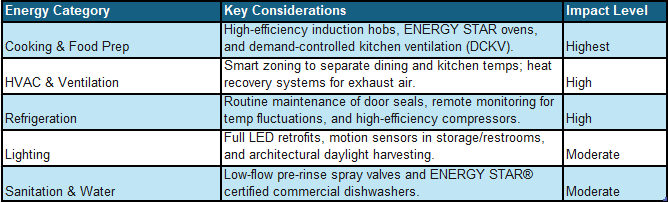
What happens to all this energy, then? Restaurants typically consume the most electricity for cooling, lighting, and refrigeration. The precise breakdown, however, differs depending on the sort of restaurant, its cuisine, and its hours of operation.
The good news? There is room for development in every category. Savings can be locked in for years with careful fit-out choices made early in the design phase.
Key Categories of Energy Consumption in Restaurants
Commercial Kitchen Fit-Out: HVAC, Equipment, and Efficiency
The kitchen is where a sustainable fit-out project is won or lost, because choices made during this phase determine operating costs for years ahead.
HVAC and Ventilation
Ventilation ranks among the highest energy consumers in any restaurant. Well-designed exhaust systems, combined with demand-controlled ventilation, can significantly cut energy waste when integrated effectively with the broader HVAC strategy. Equally important is smart zoning — kitchens and dining rooms have vastly different climate needs, and separating them into independent zones prevents the common mistake of over-cooling dining spaces to offset heat from the kitchen.
Equipment Selection
Energy-certified commercial kitchen equipment can deliver real utility savings without compromising performance. However, layout and daily habits are just as influential as the equipment itself. Minimising idle time — simply switching off unused appliances during quiet periods — compounds into meaningful savings over time. Induction cooktops are worth highlighting specifically: they transfer roughly 90% of their energy directly into the cookware, which reduces ambient heat, eases HVAC load, and improves cooking precision.
Restaurant Lighting: LEDs Offer the Quickest Returns
LED lighting stands out as one of the most immediately impactful upgrades a restaurant can make. Compared to incandescent bulbs, LEDs consume up to 90% less energy and last roughly 25 times longer. Energy Star-rated LEDs cut energy use by at least 75% versus conventional alternatives.
In restaurants, lighting serves dual roles: creating ambience in dining areas and ensuring safety in kitchens. A high Colour Rendering Index (80–90+) helps kitchen staff detect subtle changes in food colour. Beyond fixture selection, good lighting design means maximising natural light and tailoring illumination to each zone. Useful additions include daylight sensors, occupancy-triggered lighting in low-traffic areas, and dimmable systems for atmosphere management — all of which cut energy use without diminishing the guest experience.
Materials That Communicate Values
The materials used in a restaurant fit-out signal the establishment’s values before any food is served. Key considerations include environmental impact, durability, maintenance, and indoor air quality.
Low-VOC Finishes
Volatile Organic Compounds from paints, adhesives, and coatings degrade indoor air quality and can linger long after construction. In spaces where guests and staff spend extended time, low- or zero-VOC products are essential — and today they perform comparably to conventional options.
Reclaimed and Recycled Materials
Reclaimed timber, recycled metals, and repurposed fixtures add character while reducing environmental footprint. London’s Silo restaurant illustrates how far this can go: its bar and tabletops are made from recycled plastic packaging, table bases from sustainable wood, and pendant lighting from mycelium.
Biophilic Design
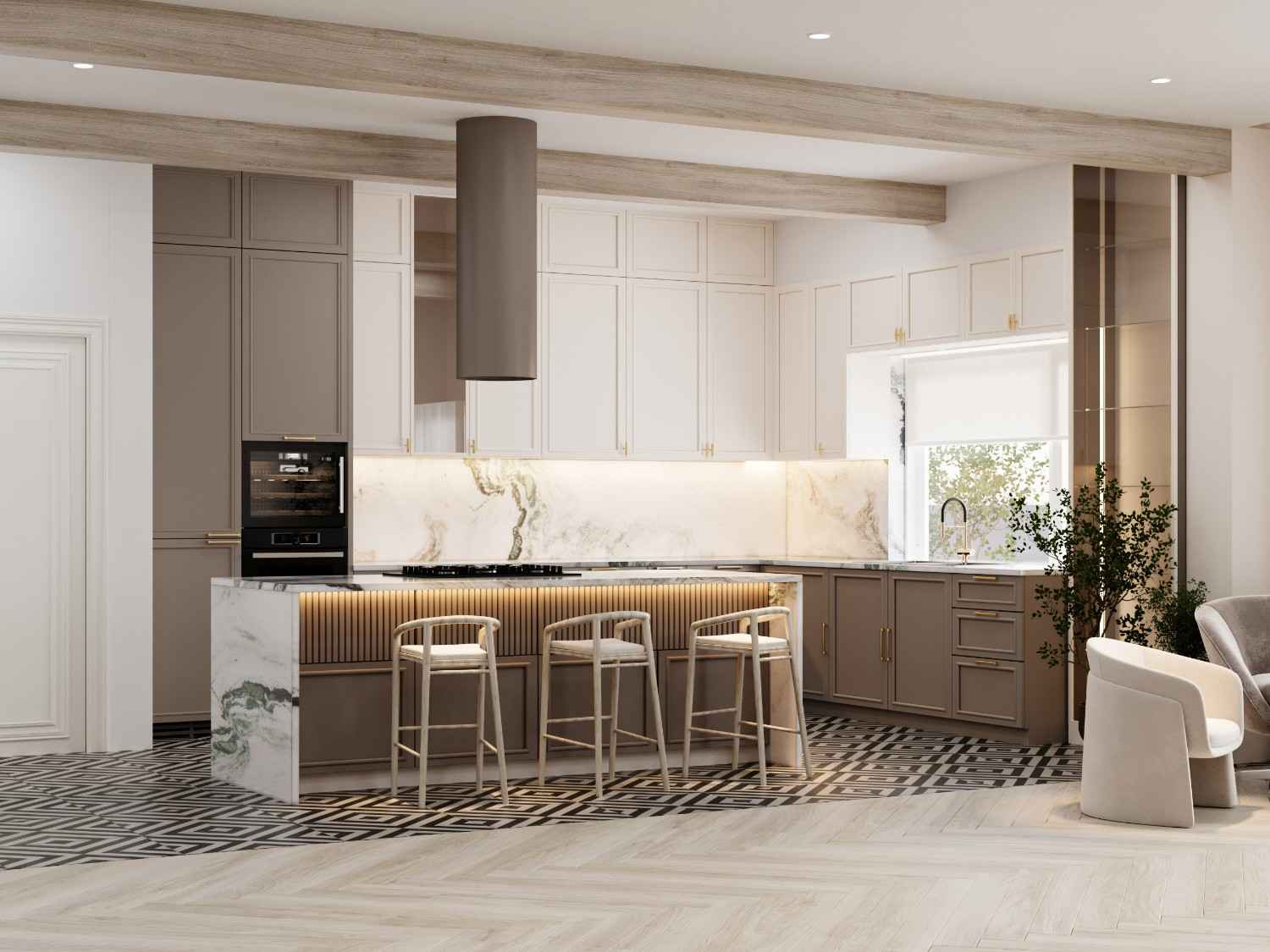
Bringing nature indoors — through living walls, plants, natural stone, or responsibly sourced timber — creates calming, distinctive environments. Biophilic design improves air quality, reduces noise, and has been linked to improved wellbeing for both guests and staff.
How USBC Apply These Principles in Practice
The same principles embraced by Dubai’s most sustainable restaurants — energy-efficient kitchens, waste-conscious layouts, and responsibly sourced materials — underpin USBC Interior’s approach across all project types.
With more than 100+ fit-out projects completed across the UAE, USBC brings these strategies to offices, healthcare facilities, and educational spaces alike. The Grazer project at Downtown a 1000 square meter dining destination used natural materials and biophilic design to divert 30% of construction waste from landfill and achieve a 19% reduction in energy use against baseline designs.
The core formula remains consistent: efficient systems, responsible materials, and waste-conscious construction whether the client is a Michelin-starred fine dining venue or a community food hall.
How To Plan A Sustainable Restaurant Fit-out in 2026
Building a sustainable restaurant in Dubai is a smart move that balances environmental responsibility with long-term profitability. While it might seem daunting, the most effective green strategies often come down to smart planning rather than just higher spending.
Here is a streamlined 6-step guide to planning your eco-friendly fit-out:
Adopt an “Efficiency First” Strategy
Before signing off on any blueprints, conduct a mental energy audit. Map out your expected power consumption and pinpoint where you can trim the fat. Addressing equipment, lighting, and HVAC needs during the design phase will lower your utility bills for years to come.
Focus on High-ROI Upgrades
Invest in changes that offer the fastest payback:
Lighting: Switch entirely to LEDs.
Ventilation: Use high-efficiency kitchen hoods to reduce the load on your AC.
Insulation: Use premium thermal barriers to keep the Dubai heat out and the cool air in.
Select Materials Based on Lifecycle
Look beyond the initial price tag. Choose durable finishes that won’t need replacing in two years. Additionally, using low-VOC (Volatile Organic Compound) products ensures a healthier indoor environment for both your staff and your guests.
Integrate Waste Management Early
Efficiency isn’t just about electricity; it’s about physical waste. Designate specific zones for recycling, composting, and smart storage during the initial build. It is significantly more expensive to “tack on” these spaces after the restaurant is already open.
Let Your Space Speak
Sustainability is a powerful marketing tool. Since nearly half of all diners look for eco-friendly cues on menus and websites, use your physical design—like reclaimed wood or visible herb gardens—to subtly tell your brand’s green story.
Collaborate with Specialists
Don’t go it alone. Partner with contractors and designers who specialize in sustainable hospitality. Their expertise in the local market can help you navigate regulations and avoid expensive trial-and-error.
The Future of Sustainable F&B Design in the UAE
The UAE’s path toward Net Zero by 2050 and Dubai’s Zero Waste to Landfill goal by 2030 are more than just milestones; they are catalysts for new regulations that will redefine commercial and restaurant spaces. By integrating sustainability into your fit-out today, you ensure your business remains ahead of the curve and compliant with the standards of the future.
Beyond just meeting legal requirements, the economic benefits are undeniable. Eco-conscious designs significantly lower operational overheads, resonate with an increasingly mindful consumer base, and foster a healthier, more productive atmosphere for employees.
The validity of sustainable fit-outs is no longer up for debate—the data regarding utility savings, market trends, and upcoming legislation is conclusive. The real decision for operators is a matter of timing: Will you embed these values into your project from day one, or will you face the premium costs of retrofitting later?
As the UAE’s dining scene expands and competition grows more fierce, diners have endless options. In this landscape, the restaurants that truly distinguish themselves will be those built with purpose engineered for peak efficiency and aligned with the environmental principles that matter most to modern guests.