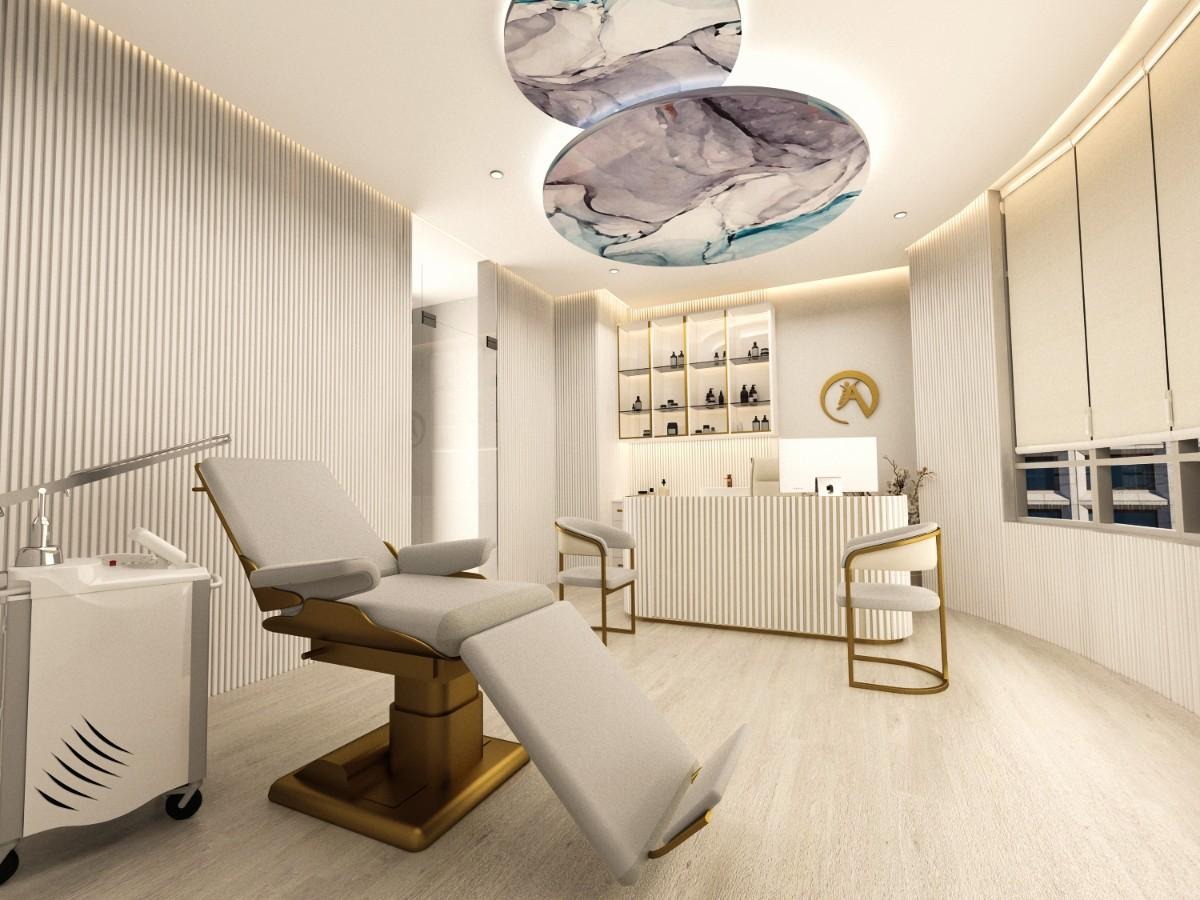
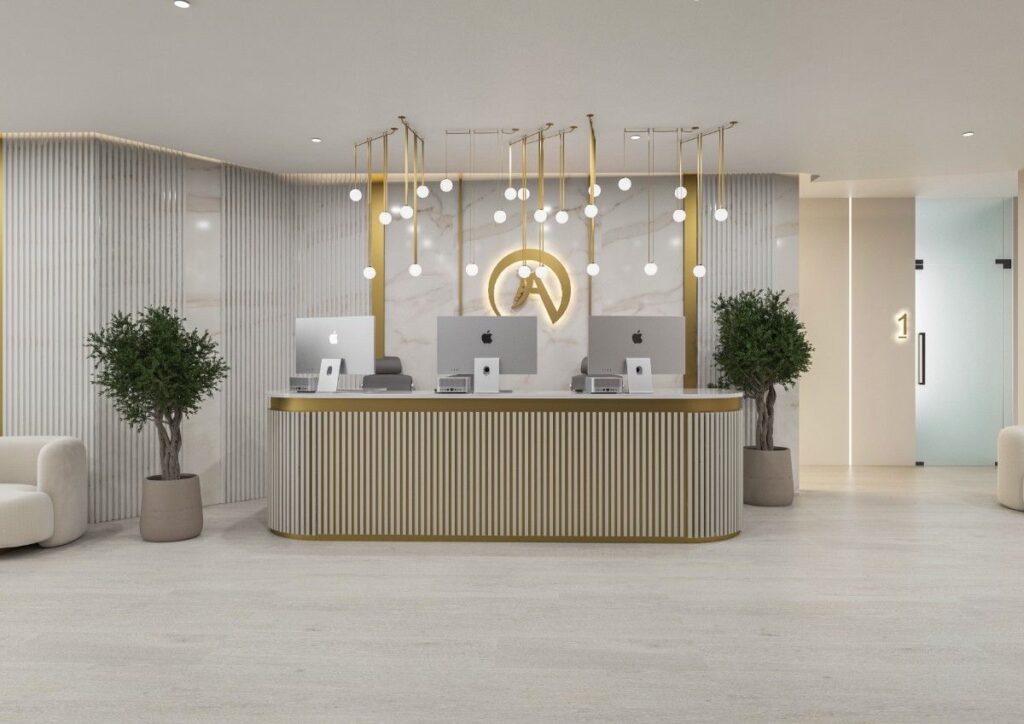
Establishing a medical institution in Dubai or a clinic requires more than just excellent design; it also requires rigorous adherence to licensing regulations set forth by organizations such as the Dubai Municipality and the Dubai Health Authority (DHA).
Due to late permissions from several authorities, non-compliance with healthcare design standards, or inadequate documentation, many clinics experience needless delays during the fit-out phase. In addition to raising project expenses, these obstacles may cause the clinic’s opening date to be delayed.
The good news? The majority of license delays can be prevented with careful planning, appropriate collaboration with licensed contractors, and early contact with regulatory agencies.
Streamlining Your Clinic Fit Out : A Guide to Avoiding Licensing and Permitting Delays
Launching a clinic in Dubai is a regulatory challenge that requires more than great design; you must meet strict licensing standards. The biggest obstacles to opening on time are often incomplete paperwork, non-compliant layouts, and poor communication with the authorities. To ensure a smooth process, you must proactively manage these compliance factors.
Start with a Registered Consultant
Your first move should be to partner with a DHA-approved professional. They are essential for designing and submitting drawings that flawlessly adhere to all mandatory size and layout regulations.
Obtain NOCs Immediately
Do not proceed without securing the required No-Objection Certificates from your landlord or developer. Failure to get these early is the number one time-waster.
Submit All Technical Drawings as One Package
Delays are inevitable if your Architectural, MEP (Mechanical, Electrical, and Plumbing), and fire safety plans are incomplete or inaccurate. Ensure they comply with all DHA and Civil Defence standards.
Run Approvals Concurrently
Avoid sequential waiting by sending your submissions to all relevant bodies (DHA, Municipality, Civil Defence, and DEWA) simultaneously.
Self-Inspect Before Regulator Visits
Perform a comprehensive internal audit to fix all small defects, from ventilation issues to fire exits, before official inspectors arrive for the final sign-off.
Plan for Costs and Clarity
Ensure your timeline is realistic through ongoing, open communication with your team, and allocate AED 20,000 to AED 50,000 specifically for the licensing process.
Simplifying the Design Process for Clinics
- Efficient Space Planning: Maximize the clinic’s functionality by focusing on the flow of patients and staff while strictly adhering to all health and safety regulations.
- Equipment Integration: Seamlessly incorporate your medical machinery by verifying its regulatory standards, planning for its specific electrical and structural needs, and guaranteeing easy access for maintenance.
- Accessibility Compliance: Demonstrate a commitment to inclusive care by designing for patients with disabilities, including providing wheelchair access, appropriate signage, and accessible restroom facilities.
Obtaining the Required Approvals and Permits
Building codes in the area
A crucial component of obtaining permits for your clinic’s fit-out is adhering to local building codes. These codes address everything from accessibility and fire safety to building integrity. To get the required approvals, make sure your design complies with these codes.
- Recognize the building codes in your area.
- Verify that the design complies with the codes.
- Obtain the required approvals.
Inspections by the Health Department
Inspections by the health department are an essential aspect of the licensing procedure. These examinations guarantee that your clinic satisfies all safety and health requirements. A seamless approval procedure can be ensured and delays can be avoided by being well-prepared for these inspections.
- Be well-prepared for health inspections.
- Verify adherence to safety and health regulations.
- Take care of any problems found during inspections.
Compliance with Fire Safety
One of the most important aspects of clinic design is fire safety compliance. This entails putting in place fire safety precautions like smoke detectors, extinguishers, and well-marked escape routes. Ensuring adherence to fire safety laws is crucial for safeguarding both employees and patients.
- Put fire safety precautions into action.
- Make sure the escape routes are clear.
- Observe fire safety guidelines.
Applying Quality Control Procedures
Frequent Inspections
Maintaining quality control during the clinic fit-out process requires routine inspections. These examinations guarantee adherence to all rules and aid in the early detection of possible problems. You can prevent expensive delays and keep your project on schedule by scheduling routine inspections.
- Plan on doing routine inspections.
- Recognize possible problems early.
- Verify adherence to rules.
Management of Documentation
Maintaining compliance and preventing delays need efficient documentation management. This entails maintaining thorough records of every permission, inspection, and permit. The licensing procedure can be streamlined with the support of a strong documentation system.
- Keep thorough records of every document.
- Put in place a strong documentation system.
- Make the licensing procedure more efficient.
Resolving Non-Compliance Concerns
Resolving non-compliance concerns as soon as possible is crucial to preventing delays in the fit-out of your clinic. This entails spotting problems early and creating plans to deal with them. Frequent reviews and audits can assist guarantee adherence and avoid delays.
- Find non-compliance problems early.
- Create plans to deal with problems.
- Perform audits and reviews on a regular basis.
Using Technology to Improve Clinic Architecture and Licensing
Using 3D Modeling to Verify Compliance
A strong tool for guaranteeing conformity in clinic design is 3D modeling. Before building starts, you can use this technology to see your design and spot any possible compliance problems. The design process can be streamlined and expensive revisions can be avoided with the use of 3D modeling.
- To visualize designs, use 3D modeling.
- Early detection of compliance issues is key.
- Make the design process more efficient.
Systems for Digital Documentation
Systems for digital documentation are crucial for handling the intricate paperwork associated with clinic fit-outs. By organizing and storing all required papers, these systems facilitate information access and updating as needed. The licensing procedure can be made more efficient by putting in place a digital documentation system.
- Put in place a mechanism for digital documentation.
- Arrange and preserve the required paperwork.
- Make the licensing procedure more efficient.
Getting Ready for Compliance After Licensing
Regulations Training for Staff
Maintaining compliance once your clinic receives a license requires that your employees receive regulatory training. This entails making sure employees are aware of their duties and offering thorough training on all pertinent legislation. Staff members may remain aware and compliant with regular training updates.
- Give thorough instruction on regulations.
- Make sure employees are aware of their duties.
- Update training on a regular basis.
Putting Continuous Compliance Checks in Place
Maintaining your clinic’s regulatory compliance requires regular compliance audits. To find possible problems and guarantee compliance, this entails doing routine audits and reviews. Maintaining excellent care and avoiding delays can be achieved by putting in place continuous compliance checks.
- Perform audits and reviews on a regular basis.
- Determine any possible problems with compliance.
- Assure continued adherence to rules.
Making Plans for Upcoming Expansions
A key component of preserving compliance is making plans for upcoming growth. This entails taking future expansion into account and making sure the layout and functioning of your clinic can handle unforeseen demands. Making plans for upcoming expansions might help you stay compliant and prevent delays.
- Think on possible expansion and growth.
- Make sure operations and design take future requirements into account.
- Prevent delays and uphold adherence.
Final Thoughts
Although navigating the complicated world of clinic fit-outs and licensing can be difficult, you can prevent common delays and guarantee a seamless procedure with careful preparation and attention to detail. Understanding licensing regulations, making compliance plans, and utilizing technology can help you optimize your clinic’s layout and deliver high-quality patient care. Clinic Fitout Contractors dubai
FAQ’s
1. Why do licensing delays happen in clinic fitouts?
Licensing delays often occur due to incomplete documentation, non-compliance with local regulations, or misaligned project timelines. Companies like USBC Interiors help clients prepare accurate plans and ensure designs meet all regulatory requirements, reducing the chances of delays.
2. How can I ensure my clinic fitout complies with local regulations?
Understanding and adhering to local health and safety regulations is crucial. USBC Interiors specializes in clinic fitouts that comply with authorities like the Dubai Health Authority (DHA), ensuring your project passes inspections smoothly.
3. What documents are typically required for clinic licensing?
Common requirements include floor plans, equipment lists, certifications, and permits. USBC Interiors assists clients in preparing all necessary documentation accurately, so submissions to licensing authorities are complete the first time.
4. Can hiring a professional fitout company reduce licensing delays?
Yes. A knowledgeable fitout company understands regulatory requirements and avoids design mistakes that can trigger delays. USBC Interiors ensures your clinic layout and design meet all standards, minimizing back-and-forth with authorities.
5. How long does it usually take to get clinic licensing approved?
Approval timelines vary depending on the type of clinic and local regulations. By coordinating design and construction schedules with the approval process, USBC Interiors helps clients plan realistically and avoid project hold-ups.