
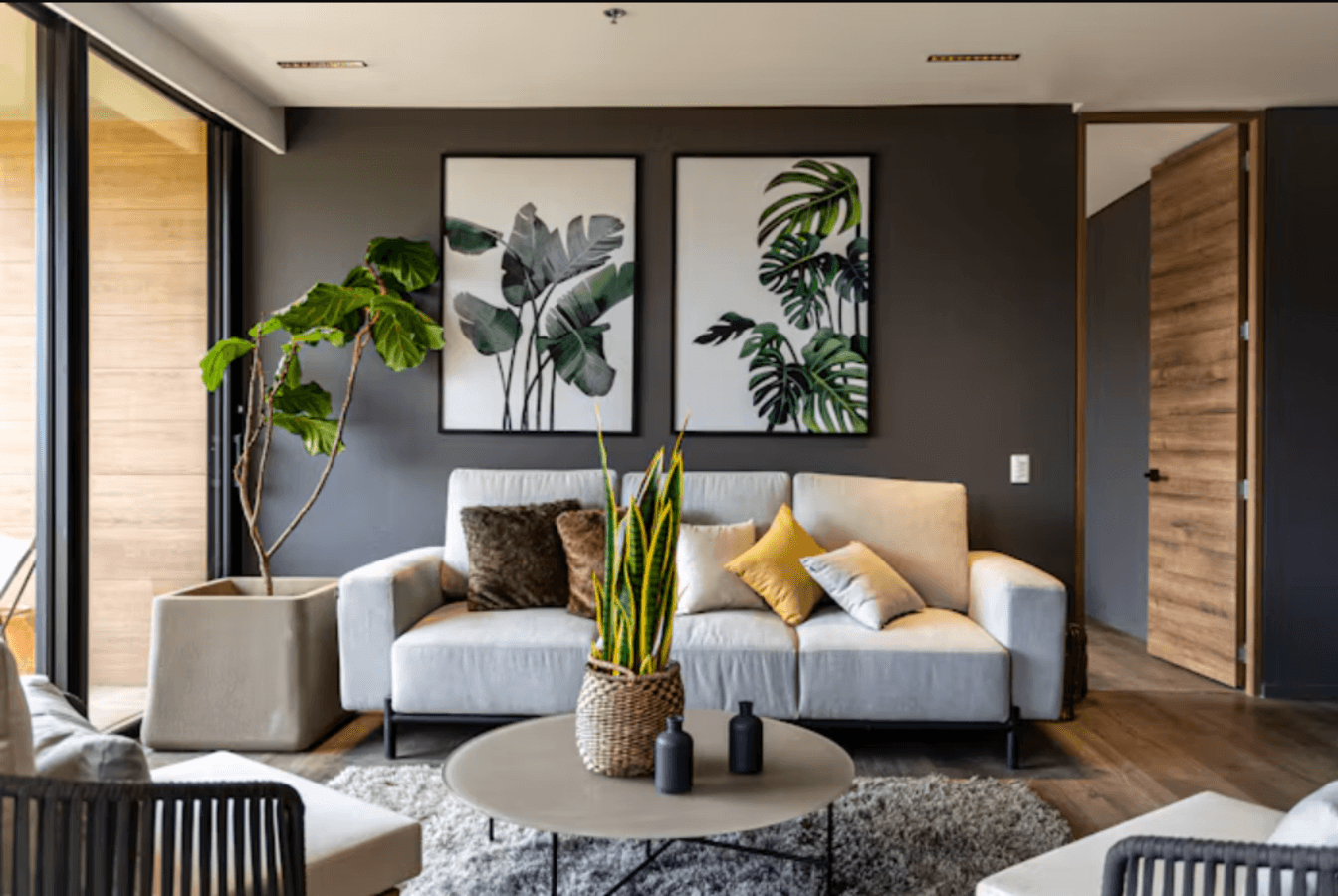
Your home should feel comfortable, practical, and personal. The right design can make a room feel more spacious, improve how you use the space, and create an atmosphere that suits your lifestyle and you don’t always need a full renovation to get there. Sometimes a better furniture layout, improved lighting, suitable colours, or smarter storage makes all the difference.
If you’re searching for home interior design ideas, start by thinking about how you actually use each room. Good interior design isn’t only about appearance it should make everyday living easier too.
What Makes Good Home Interior Design ?
Good interior design brings together appearance, comfort, and functionality. Before choosing furniture or decor, consider your room sizes, natural light, storage needs, and the activities that happen in each space.
A room is more useful when everything in it has a purpose. Furniture should fit the available space, storage should be easy to access, and there should be enough room to move comfortably. A large sofa might look impressive in a showroom, but it can overwhelm a small living room; choosing furniture based on your room’s actual dimensions usually gives a more balanced result.
Your design style should also reflect your personality and lifestyle. Modern, minimalist, contemporary, classic, and natural styles can all work well when planned properly. Rather than chasing every trend, choose elements you’ll enjoy for years, and bring in current trends through smaller items like cushions, artwork, lighting, or accessories.
Home Interior Design Ideas for Every Room
Different rooms serve different purposes, so the design approach should change accordingly.
Living Room
The living room is often the most-used area of a home. Arrange the main seating around a clear focal point, a TV, coffee table, window, or feature wall and leave enough space between pieces so the room doesn’t feel cramped. In smaller living rooms, compact sofas, nesting tables, wall-mounted furniture, and multi-purpose storage units all help.
Lighting matters just as much as layout. One ceiling light usually isn’t enough; combine general lighting with floor lamps, wall lights, table lamps, or accent lighting so you can brighten the room when needed and soften it in the evening.
Bedroom
The bedroom should feel calm and comfortable. Neutral shades, warm earthy tones, and soft colours create a peaceful atmosphere if you prefer bolder colours, introduce them through a feature wall, artwork, or cushions instead of the whole room.
A clutter-free bedroom also feels more restful. Built-in wardrobes, bedside storage, under-bed storage, and fitted cabinets keep personal items organised without eating into floor space.
Kitchen
The kitchen needs to balance appearance with everyday practicality, so think about how you prepare food, store appliances, and move between cooking, washing, and storage areas. Drawers, tall cabinets, corner storage, and wall-mounted shelves make better use of available space, vertical storage is especially useful in smaller kitchens. Since kitchen surfaces face regular use, moisture, heat, and cleaning, choose materials and finishes based on durability as well as looks.
If you’re comparing interior design companies in Dubai, review their previous projects, understand what’s included in their services, check their design process, and confirm they have experience with the type of project you’re planning.
Home Interior Design Ideas for Small Spaces
Small homes can still feel open and comfortable with careful planning. Use furniture that matches the scale of the room, and avoid blocking windows or walkways; built-in storage is especially useful where floor space is limited.
Light colours help create a brighter, more open feeling, and mirrors can reflect light and add depth when placed thoughtfully. A large mirror near a window is often more effective than several small decorative mirrors scattered across a wall.
Multifunctional furniture is another strong option for compact homes. A storage bench, extendable dining table, sofa bed, or built-in desk adds functionality without requiring an extra room.
Interior Design Trends for Modern Homes
Trends can offer inspiration, but they work best when adapted to your home rather than copied exactly. A few approaches continue to stand out:
Warm, natural colours — earthy shades and warm neutrals that pair well with wood, stone, textured fabrics, and indoor plants
Natural materials and textures — wood, stone, rattan, and linen, mixed with smooth and textured surfaces for visual interest
Statement lighting — pendant lights, wall lighting, and accent lighting that double as design features
Indoor plants — chosen based on available light and how much maintenance you’re comfortable with
How to Plan Your Home Interior Design ?
A successful project usually starts with planning, not shopping. Measure each room and note doors, windows, electrical points, and plumbing connections, since this determines where furniture, storage, and lighting can realistically go. Set a realistic budget that separates essential requirements from optional upgrades, and account for design fees, materials, furniture, lighting, and labour.
Materials matter too. Flooring has a strong visual impact since it covers a large part of the room, so weigh tiles, wood-look finishes, and stone against their maintenance needs, and choose paint, wallpaper, or feature walls that complement your furniture and lighting rather than picking each wall in isolation. Where standard furniture doesn’t fit your space, custom joinery built-in wardrobes, TV units, shelving, or kitchen cabinets can be designed around your home’s exact dimensions.
When Should You Hire an Interior Designer ?
Smaller decorating projects are often manageable on your own, but professional help is worth considering for multi-room renovations, custom joinery, detailed space planning, or projects involving several trades. A professional can coordinate everything from the initial layout to materials, lighting, and finishing details, keeping the design consistent throughout and for unusual dimensions or specific storage needs, tailored planning often makes better use of the available space.
Professional interior design services can include space planning, concept development, material selection, furniture planning, lighting design, and project coordination, depending on the scope of the job. If you’re planning a commercial space, Office Interior Design requires a different approach, since it needs to account for workstations, meeting rooms, employee movement, and business operations.
FAQs
It depends on your home’s size, layout, lifestyle, and budget. Improving lighting, choosing suitable furniture, adding practical storage, and making better use of natural light are good starting points for most homes.
Start with a simple, coordinated colour palette, clean furniture lines, suitable lighting, and a mix of natural and durable materials — and avoid overloading the space with decorative elements.
Keep walkways clear, choose appropriately sized and multifunctional furniture, and make good use of vertical storage. Light colours and well-placed mirrors also help create a more open feeling.
Neutral colours such as white, beige, grey, and cream work well for creating a calm and timeless interior. You can add warmth and character with earthy tones, soft pastels, or bold accent colours through furniture, cushions, artwork, and other accessories.
Use light colours, mirrors, multifunctional furniture, and smart storage to make a small home feel more spacious. Keep walkways clear, allow natural light into rooms, and avoid oversized furniture that takes up too much floor space.

[…] Home Interior Design Ideas […]